Summarise With AI


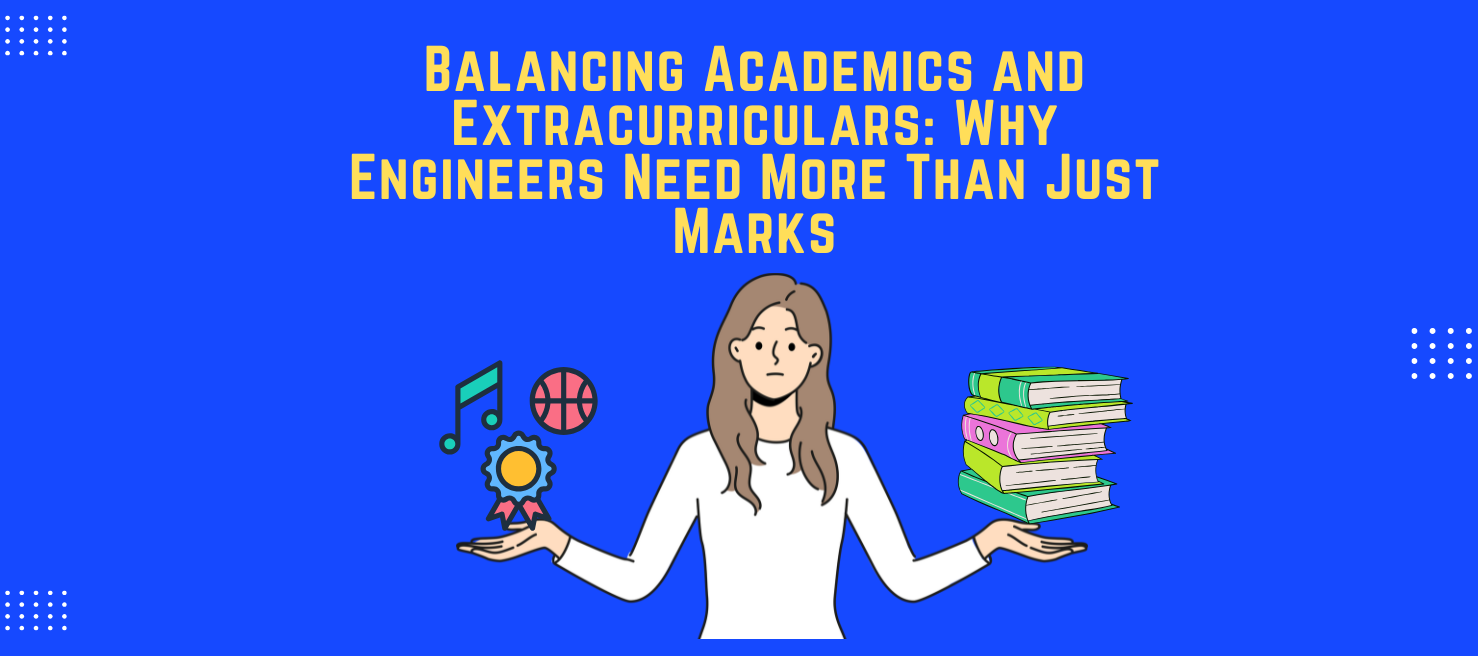
For students, the path to success has become increasingly defined by societal expectations. Starting in 11th grade, the emphasis shifts entirely to academics, with a strong focus on mastering subjects and preparing to excel in entrance exams. The entire journey is marked by hours of study, late nights, and a single-minded determination to excel academically.
We asked many intermediate students about their aspirations, and their responses were somewhat the Same: “I’ve always known the path I needed to follow: study hard, crack the entrance exams, and get into a top engineering college. ”
It’s a journey of relentless focus on academics, thinking that grades would pave the way to the future.
And now, after all that hard work, when you are on the brink of entering engineering institutes and start reading more about college life, suddenly everyone is talking about extracurriculars and how important they are, whether for internships, building a network, higher studies like an MBA, or job placements. The clubs, the sports, the fests, the hackathons—which may sound like a diversion from the focus on grades. And maybe you’re thinking, “I’ve worked so hard to get here, do I really need all of this extra activity?” OR “Why bother with clubs or activities when there’s so much to learn in class?
The truth is: You do! It’s not just about grades anymore. From campus events to hackathons, leadership roles in clubs to social initiatives, a well-rounded engineering journey is what would actually help you become successful in life.
You see, Extracurriculars aren’t just “Extra activities ”; they’re tools that can shape your future. They teach you critical skills that textbooks can’t cover, open doors to opportunities that grades alone can’t guarantee, and, most importantly, they give you a chance to explore new passions beyond your academic path.
In this blog, we’ll break down why balancing academics with extracurriculars isn’t just important—it’s essential for your growth, career success, and mental well-being. As a student, how can you strike the right balance? You’ve mastered the art of acing exams; now it’s time to master the art of holistic growth.
Why Extracurriculars Matter More Than You Think
Engineering students are goal-oriented, focus on marks, assignments and clearing their semester exams. While performing well in academics is important, it’s not the only thing the industries look for. You might feel pressure to get good marks, but engineering isn’t just about solving equations or passing tests – it’s about finding solutions, working in teams and thinking creatively. Your academic performance builds the foundation, but it’s the experiences beyond the classroom that help you discover your strengths, shape your personality, and open doors to opportunities you never expected.
1. Recruiters Look Beyond CGPA
More than 75% of recruiters look for soft skills, leadership, and project experience when hiring fresh graduates, not just academic scores. While your CGPA matters, what often sets you apart are the real-world skills you gain through extracurricular involvement. When you organize events, lead a project, or work with a team in a club, you’re showing initiative, adaptability, and the ability to solve problems — the exact traits employers value. Clubs provide a platform for you to develop these skills in a practical, low-pressure environment. In the end, it’s your experiences and attitude that make your profile memorable, not just the numbers on your transcript.
2. Clubs Are Where You Find Your Passions
People who are passionate about what they do tend to perform better, stay motivated longer, and grow faster — not because they work harder, but because they care more deeply. Clubs give you the chance to explore what you could be passionate about. You might join as a coder or developer, but discover the joy of mentoring others in AI. Maybe you’ll realize you’re just as good at organizing technical events as you are at leading them — or even find yourself creating experiences you never imagined. Through club travel and collaborations, you might uncover strengths in design thinking, event planning, or even in becoming a startup co-founder. Passion starts with curiosity, and clubs are the perfect place to follow it.
3. Mental Health, Motivation & Social Skills
Did you know that students who participate in active extracurricular activities reported 25% more life satisfaction and had lower stress levels than those with no active extracurricular involvement? When a healthy balance is not maintained with students, educational life can understandably contribute to burnout and feelings of isolation. Club involvement provides a break from daily academic pressures and helps build self-efficacy, perseverance, and a sense of purpose. Engaging actively in these spaces allows you to develop peer support systems when motivated to care for your mental health and develop positive social skills..
What is Considered a “High-Value” Extracurricular in Engineering College?
“High-value extracurriculars” are those that go beyond participation to provide you with applied skills, practical experience, and professional connections that can directly enhance or upskill for your career and future goals. These activities generally involve initiative, technical knowledge, leadership and teamwork capabilities, which are essential for you to grow in your career.
Below are a few important types of high-value extracurriculars that can boost the growth of an engineering student.
1. Technical Clubs and Innovation Cells
Technical clubs and innovation cells focus on consuming emerging technologies, specifically in areas such as coding, robotics, AI/ML, AR/VR, ethical hacking, cloud computing, and more. Participation in competitions such as hackathons, coding battles, and open-source projects enhances experiential learning, complementing solid technical competence, problem-solving skills, and teamwork, which engineers and recruiters value.
2. Cultural and Literary Activities
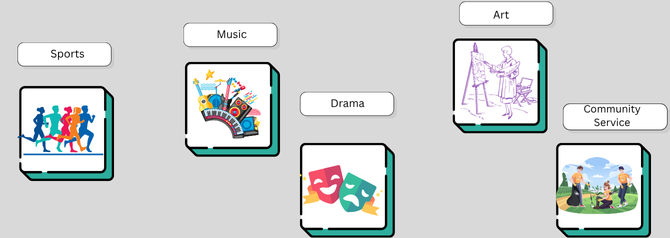
The best way to improve your soft skills! Participation in activities such as debate, drama, writing, photography, music, and dance will help students develop a range of soft skills, including public speaking, creativity, and confidence.
While technical knowledge is important, soft skills play a vital role in assessing whether you’re a good fit for a position. Interviewers seek well-rounded candidates who can not only perform their job effectively but also contribute positively to the team and organisation. Engaging in cultural and literary activities provides students with a space to grow beyond academics, express themselves, and develop the interpersonal strengths that are truly valued for standing out in the current market.
3. Sports and Fitness Clubs
Teamwork at it’s best! Sports not only provide physical fitness but also create opportunities for students to build essential teamwork skills. Collaborating with teammates teaches discipline, communication, and resilience, all of which are crucial for success both on and off the field. Whether you engage in sports casually or competitively, being part of a team helps alleviate academic pressure and offers valuable social connections. Working together not only enhances focus but also promotes a positive mental attitude, making teamwork a key component of personal and academic growth.
To have a strong mind, one also needs a strong body. Sports provide a much-needed break from academic stress and can serve as a reset.
4. Opportunities in Entrepreneurship & Leadership
Getting involved in entrepreneur clubs and leadership roles is one of the best ways to learn out-of-the-box skills.
Whether you’re starting a small project, leading a club, or organising events, you learn how to take initiative, solve problems, and work with others. Entrepreneurship encourages creativity, business and quick thinking. These experiences don’t just look good on a resume, but also help you grow as a person and prepare you to make a real difference in your career and community.
How to Balance Both Academics and Extracurriculars Without Burning Out
Managing academic life and extracurricular activities can look overwhelming sometimes, but both are important for your mental and physical well-being!
By implementing strategic planning, you can maximise productivity without burning out. Planning enables you to grow academically and personally while practising self-care. Here are some tips on achieving academic balance and scheduling extracurricular activities.

1. Follow The “Core + 1” Policy
Your academics should always be your main focus; that’s your “core.” But getting involved in one meaningful extracurricular activity can provide balance, reduce stress, and help you grow in other ways. The “Core + 1” idea isn’t a rule written in stone, but rather something practical that has been one of the best ways to help you avoid stress and stay focused.
Definitely, there are exceptions, and if you have the time and energy to take on one or more extracurriculars, go for it — what matters is dedication towards the activities and choosing the ones that genuinely add value, not just filling your schedule. It’s about depth, not just quantity.
2. Time-Block Your Week and Include Downtime
We know everything can’t be planned, especially when you need time to reset or break from your monotonous academic life, but creating an organised schedule to invest time in your academics, club activities, extracurriculars and most importantly, planning for downtime as well can come in quite handy.
Try to set fixed time slots for study blocks, sports, club activities and so forth. When you do build your weekly calendar, make sure to pencil in essential breaks, “innovation slots”, and “off-screen time” as part of your mental reset plan. You can use various tools, such as Google Calendar, Notion, or traditional planners, but the goal is to maintain consistency while minimising stress.
3. Sync Your Activities With Your Career Goals
We have just now discussed the importance of having High-value extracurriculars. Ensure that the extracurricular activities you participate in align with your future goals. What’s more, better than that?
If a career in ML interests you, consider joining a machine learning-based club. If you want to explore being a community/marketing manager, join a team that’s responsible for organising events and/or marketing-related elements. By making wise decisions, you’ll feel good about investing your time in a way that’ll likely benefit your future career.
4. Know When Things Should End
You don’t have to attend every club or event!!
Overcommitting can lead to burnout, so focus on fewer activities that have a real impact. Burnout occurs when you take on too much. Spend your time on a few activities and tools to make it impactful. Quality over quantity will provide the best opportunities at college.
What To Look For In A College: Balance of Academic and Extracurriculars
A well-rounded college experience goes beyond the academic sphere and focuses on opportunities outside of the classroom. When it comes to selecting a college, look for how well it enables involvement in extra-curricular projects, innovation, and career-building activities.
1. College Culture: Seniors, Staff, and Freshmen
A strong student-run community is vital. Look for coding clubs, tech fests, hackathons, and innovation labs that students are organising, rather than just using college-sponsored events. A strong peer-led community builds networking, creativity and hands-on learning.
Interacting with seniors is a perfect way to understand college culture. As they share their experiences, those seniors can offer valuable insights into everything from academic studies and campus clubs to social dynamics and hidden campus gems. They can also share their experiences with college staff and teachers, providing you with a more realistic idea of the support available. And importantly, the seniors help the freshmen’s induction and even arrange programs to assist new students in settling into the college community.
2. Admin Support and Mentorship of Non-Academic Activities
A great college understands the value of empowering its students to chase extracurricular activities that are beyond the course curriculum. The professors support students attending a hackathon, developing projects, or connecting them with industry opportunities. This is where mentorship is crucial. If faculty members are helping students explore their interests beyond the classroom, you are on the right track.
Teachers are expected to not only support these initiatives but also to facilitate connections by inviting guest lecturers who bring relevant, real-world insights on related topics. Moreover, colleges should ensure that faculty members maintain strong links with industry experts to provide students with mentorship, internships, and networking opportunities. Such engagement enriches the learning environment and helps students explore and develop their interests beyond the classroom.
3. Accommodations for Exposure beyond the Classroom
For students to be prepared for the challenges of the 21st century, institutions must provide crucial and real-life, practical opportunities. Institutions should invest money in open-access labs, coding classrooms, and, depending on the college, a strong startup support program. Students should have access to developed tools that enable them to experience new technologies in a real-world context. This could include tools such as high-performance computing tools, robotics kits, Internet of Things (IoT) devices, machine learning and artificial intelligence (AI) workstations, 3D printers and collaborative virtual reality tools necessary to ensure innovation is happening.
It is also important for institutions to provide real-world connections to their education. Institutions should be providing opportunities for student participation in national-level competitions, hackathons, and team or sporting activities that promote teamwork, critical thinking, and adaptability. Institutions should also support entrepreneurship through startup incubators, mentorship programs, access to funding opportunities, and access to industry networks to foster problem-solving and other characteristics associated with being ready to work.
Conclusion
In the real world, employers place a high value on problem-solving experience and the ability to collaborate effectively with others. As an engineering student, the projects, clubs, and initiatives you participate in will carry more weight than your CGPA. While grades reflect your academic performance, it’s your development of soft skills, exploring new strengths, and hands-on experience that truly prepare you for success beyond college.
Balancing extracurriculars isn’t a distraction—it’s a strategic move for personal and professional growth. In addition to grades, your resume should display the challenges you faced, what solutions you created, and what impact those changes had on your future. There is value in all your experiences. Whether during a hackathon, leading a club, building a startup, or organising an event, you improved your future career.
“Engineering is about applying, adapting and innovating. The decisions and choices you make today will determine your future opportunities. Build a portfolio that reflects your skills, passions, and leadership, not just the numbers on a blank sheet.”