Summarise With AI



Table of Contents
Preparing for JEE Main requires more than completing the syllabus or revising formulas. With lakhs of candidates appearing every year and intense competition for limited seats, students must focus on performance, accuracy, and exam strategy. This is where a JEE Main mock test becomes an essential part of preparation.
Mock tests help students understand how well they can apply concepts under time pressure. They also highlight gaps in preparation that are often missed during regular study. This blog on the Top 10 Reasons to Attempt JEE Main Mock Test explains why candidates should take mock tests, how often to attempt them, etc.
Recommended for JEE Mains 2026 aspirants 👇

Top 10 Reasons to Attempt JEE Main Mock Test: How Mock Test is Designed?
JEE Main mock tests are designed to help students practise for the real exam in a structured and meaningful way. They focus on exam familiarity, concept application, and performance improvement rather than just scores.
- Follow JEE Main Exam Pattern: Mock tests follow the same exam pattern as JEE Main, including the number of questions, section-wise distribution, and marking scheme. This helps students get comfortable with the paper structure before the actual exam.
- Syllabus-Based Question Selection: All questions are prepared from the prescribed Class 11 and 12 syllabi. This helps students to practise only relevant topics and avoid wasting time on out-of-syllabus content.
- Balanced Difficulty Level: Mock tests include a mix of easy, moderate, and difficult questions. This prepares students to handle different difficulty levels within the same paper, just like in the real exam.
- Follow Previous Year Concept: Many mock questions are based on concepts that have appeared repeatedly in earlier JEE Main exams. While questions are new, the underlying logic remains familiar, helping students recognise patterns.
- Time-Bound Exam Practice: Mock tests are conducted within the same time limit as the actual exam. This helps students practise managing time, building stamina, and staying focused for the full duration.
- Multiple Question Types: Mock tests include both multiple-choice and numerical value questions. This helps students practise different solving approaches and improve accuracy, especially in numerical questions.
- Performance Analysis: After each mock test, students can review their mistakes and identify weak areas. This makes mock tests a learning tool rather than just a score-checking exercise.
Check:JEE Mains PYQs
Top 10 Reasons to Attempt JEE Main Mock Test: A Detailed Insight
Attempting mock tests is one of the most important parts of JEE Main preparation. While studying concepts builds understanding, mock tests show how well students can apply that knowledge under real exam conditions. From understanding the exam pattern to improving accuracy and confidence, mock tests help aspirants prepare in a structured and practical way. The reasons below explain why regular mock test practice plays an important role in improving overall performance in JEE Main.
1. Helps You Get Familiar With the JEE Main Exam Pattern
JEE Main is conducted in computer-based mode and includes Physics, Chemistry, and Mathematics, with both multiple-choice and numerical value questions. A mock test for JEE Mains follows the same structure, helping students understand question distribution, navigation, and marking rules in advance. This familiarity reduces confusion on exam day and allows students to focus entirely on solving questions.
| Particulars | Details |
| Exam Mode | CBT Mode |
| Number of Papers | Paper 1 and Paper 2 |
| Exam Duration | Three hours4 hours (for PwD Candidates) |
| Sections-wise Number of Questions | Section A: MCQ – 20 questions for each subject.Section B: Numerical values as answer – 5 questions each subject. |
| Type of Questions | Section A: MCQ – 20 questions each subject.Section B: Numerical values as answer – 5 questions each subject. |
| Marking System | 4 marks for each correct answer.-1 mark for each wrong answer.0 mark for unattempted questions. |
| Total Questions | 75 |
| Total Marks | 300 |
| Language of Exam | English, Hindi, Assamese, Bengali, Kannada, Malayalam, Marathi, Odia, Punjabi, Tamil, Telugu, Urdu and Gujarati |
2. Improves Time Management Skills
Time management plays a critical role in JEE Main. Many students know the answers but struggle to complete the paper within the given time. Regular practice through JEE Main online mock test sessions helps students learn how much time to spend on each section and when to move on from a difficult question. Over time, students become more efficient and can attempt the paper in a balanced manner.
3. Identifies Strong and Weak Areas Clearly
One of the biggest advantages of attempting mock tests is detailed performance feedback. After every test, students can clearly see which topics are strong and which need more revision.
This helps avoid random studying and allows candidates to focus on chapters where mistakes are happening repeatedly, leading to more effective preparation.
4. Reduces Exam Fear and Builds Confidence
Exam anxiety is common among JEE aspirants, especially during the first attempt. Solving multiple mock tests under timed conditions makes students comfortable with the exam format and pressure.
As familiarity increases, confidence improves, helping students stay calm and focused during the actual exam.
5. Improves Speed and Accuracy
In JEE Main, accuracy is as important as speed due to negative marking. Regular mock test practice improves calculation speed and reduces common errors such as incorrect assumptions or rushed answers. With time, students learn how to balance speed with accuracy, which directly impacts their overall score.
6. Helps Develop a Smart Question Selection Strategy
Not all questions in JEE Main need to be attempted. High-scoring candidates usually follow a smart approach by selecting questions based on difficulty and time required.
Mock tests help students practise this strategy by teaching them when to attempt a question, when to skip it, and how to prioritise sections effectively.
7. Ensures Better Coverage of the Syllabus
Many students tend to ignore topics they find difficult or less interesting. However, mock tests expose gaps in syllabus coverage and encourage students to revise even those chapters they might otherwise skip. This leads to a more balanced preparation and reduces the risk of missing easy scoring opportunities.
8. Helps Track Preparation Progress
By attempting mock tests regularly, students can track their performance over time. Comparing scores, accuracy, and time spent per question helps in understanding whether preparation is improving or needs adjustment. This self-evaluation plays a key role in refining study plans as the exam approaches.
9. Reduces Negative Marking
Negative marking can significantly affect final scores. Mock test analysis helps students identify patterns such as guesswork or repeated conceptual errors.
Once these patterns are recognised, students can modify their attempt strategy and avoid unnecessary loss of marks in the real exam.
10. Gives a Realistic Assessment of Exam Readiness
Mock test performance gives students a clear idea of where they stand in their preparation journey. While mock scores may vary, consistent practice helps candidates understand their strengths and areas that still require improvement.
This realistic assessment helps students plan revision schedules and approach the exam with better clarity.
Also Check: JEE Mains Mock Test 2026 Instructions
Boost Your Confidence with This Short Mock Test 👇

Top 10 Reasons to Attempt JEE Main Mock Test: How Many Mock Tests Are Ideal?
There is no fixed number of mock tests that suits every JEE aspirant. Attempting too few tests does not give a clear idea of exam readiness, while attempting too many tests without proper analysis often results in stagnant performance. An important point students must understand is that a full-syllabus mock test is not limited to the three-hour exam duration. Each test requires sufficient time for preparation and post-test analysis, which directly affects how many tests can be realistically attempted.
Time Required for One Full-Syllabus Mock Test
A full-syllabus JEE Main mock test usually involves three distinct stages. Each stage plays an important role in improving performance.
Stages Involved in One Mock Test
| Stage | Approximate Time Required |
| Revision before the test | 5–6 hours |
| Writing the mock test | 3 hours |
| Post-test analysis | 2–3 hours |
| Total time per mock | 10–12 hours |
Ideal Number of Full-Syllabus Mock Tests
The ideal number of mock tests depends mainly on whether a student is in Class 12 or is a dropper, as the available preparation time differs.
Recommended Number of Mock Tests
Students with incomplete revision or minor syllabus gaps should stay closer to the lower end of the range. Students with a completed syllabus and stable performance can attempt more tests within the recommended range below:
| Student Category | Ideal Number of Full-Syllabus Mocks | Who Should Choose This Range |
| Class 12 students | 10–15 | Balancing board exams and JEE preparation |
| Droppers | 15–20 | Dedicated time for JEE preparation |
Top 10 Reasons to Attempt JEE Main Mock Test: When to Start Giving Full-Syllabus Mock Tests
Full-syllabus mock tests should not be started too early in the preparation phase. Students should begin full-length mock tests only when:
- At least 70% of the syllabus is completed
- Core formulas and concepts have been revised
- Sufficient time is available for post-test analysis
How Mock Test Frequency Should Change as the Exam Approaches
Mock test frequency should increase gradually as the exam date comes closer. Sudden or excessive testing without revision gaps is not effective.
| Preparation Phase | Mock Test Frequency |
| Initial phase | One test every 7–10 days |
| Middle phase | One test every 4–5 days |
| Final 20–25 days | One test every alternate day, with proper analysis |
Difference Between Coaching Tests, NTA Mocks, and Self-Made Tests
Each type of mock test serves a different purpose and should be used strategically.
| Type of Mock Test | Purpose |
| Coaching institute tests | Slightly tougher than the real exam; helps build pressure-handling ability |
| NTA official mock tests | Best for understanding the real CBT interface and navigation |
| Self-made or PYQ-based tests | Useful for concept revision and pattern familiarity |
Top 10 Reasons to Attempt JEE Main Mock Test: How to Use Mock Tests for Maximum Learning
Mock tests should not be treated as score-checking tools. Real improvement happens during analysis. After every mock test, students should:
- Identify topics where mistakes are repeated.
- Check whether errors are due to concept gaps or calculation mistakes.
- Analyse time spent on each section.
- Review accuracy in numerical value questions.
- Revise weak areas before attempting the next mock test.
How Collegedost’s JEE Mains Mock Test Tool Helps in Preparation
Preparing for JEE Main 2026 needs regular practice, not just reading books. Mock tests help students understand how the real exam feels and how to perform better step by step.
- The mock tests look like the actual JEE Main exam screen. Students practise using the timer, question list, and navigation. This reduces confusion and nervousness on exam day.
- The mock tests are free. Students can practise as many times as they want. This makes regular practice easy and stress-free.
- Timed tests help students solve questions faster. With practice, students make fewer silly mistakes and manage time better in all subjects.
- Subject-wise and chapter-wise tests help students practise weak areas. Instead of studying everything again, students can work on topics where they lose marks.
- Students get instant results after every test. Clear explanations help them understand why an answer is right or wrong. This helps avoid repeating the same mistakes.
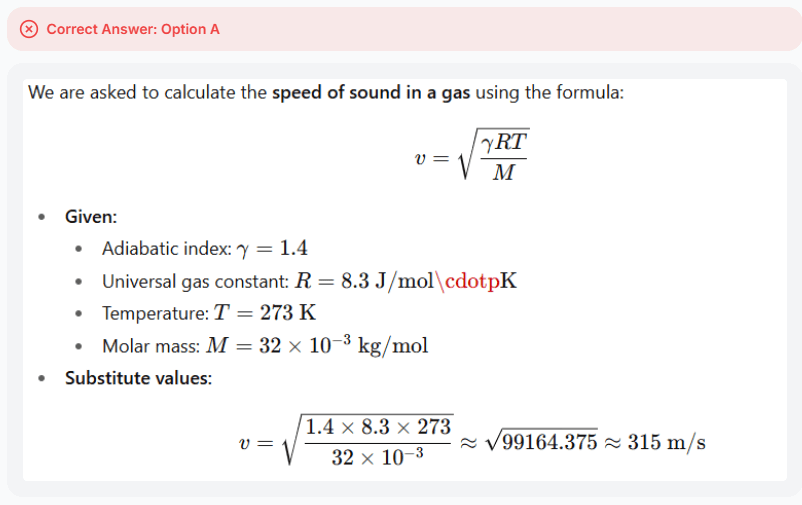
- By mixing full tests, chapter-wise practice, and regular review, students can prepare in a planned way. This helps build confidence for JEE Main 2026.
Conclusion
Attempting JEE Main mock tests is one of the most effective ways to strengthen exam preparation. Mock tests not only improve speed and accuracy but also help students build confidence, manage time better, and avoid common mistakes. When used consistently and analysed properly, a JEE Main mock test becomes a powerful tool that transforms preparation into performance. For aspirants aiming for a strong percentile, mock tests are not optional; they are a necessary step towards success.
Frequently Asked Questions
1. What is the 80/20 rule in JEE Main preparation?
The 80/20 rule means focusing more on the most important 20% of topics that contribute to a large part of the questions. Instead of studying all chapters equally, students should give extra time to high-weightage and frequently asked topics.
2. How can I score 650+ marks in mock tests?
To score high in mock tests, students should complete the syllabus, practise high-weightage chapters regularly, and analyse every mock test. Improving accuracy, avoiding guesswork, and managing time well are more important than attempting all questions.
3. Which mock test is best for JEE Main?
The best mock test is one that follows the latest JEE Main exam pattern, covers the full syllabus, and includes both MCQs and numerical questions. It should also provide clear analysis so students can understand their mistakes.
4. Is there a difference between mock test scores and the actual JEE Main score?
Yes, a small difference is normal. Mock tests may feel easier or tougher than the real exam. With regular practice and proper analysis, mock test scores usually come closer to the actual JEE Main result.
5. What should my mock test score be before the actual JEE Main exam?
There is no fixed target score. Students should look for steady improvement and consistent performance rather than focusing on one high score.