Summarise With AI


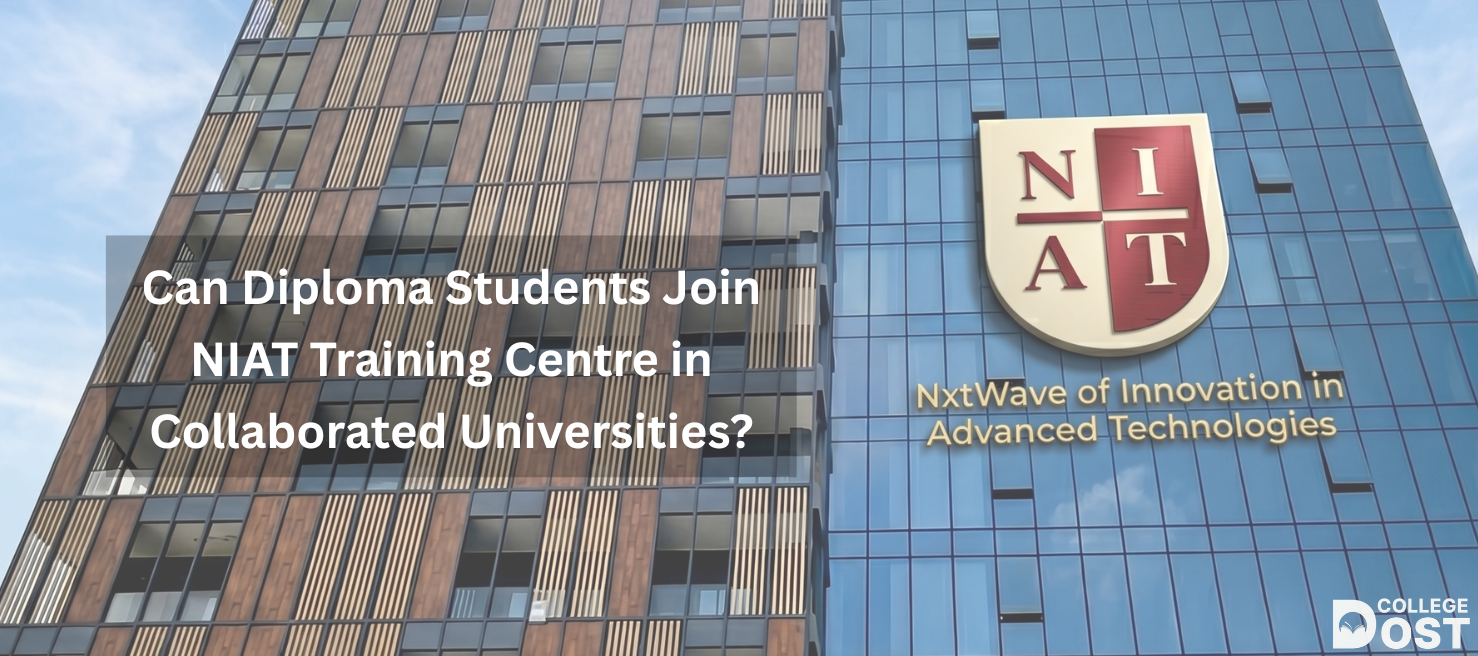
Are you a diploma holder aiming to pursue a B.Tech degree in Computer Science, AI, ML, or Data Science? If you’re considering the NIAT NxtWave of Innovation in Advanced Technologies as your next step to upskill and get industry-ready, and to pursue a degree from a collaborating university, here’s what you need to know about eligibility for enrolling on the NIAT Training Centre for diploma students.
How Does Lateral Entry for Diploma Students Work with NIAT Training Centre?
The collaborating Universities where the NIAT upskilling program is offered don’t provide lateral entry for diploma holders.
All students are required to join the collaborating Universities with NIAT in the first year to ensure the skill map is delivered. This is a strategic decision since diploma students only possess skills that are closely aligned with traditional engineering programs. The NIAT-trained first-year skill map is not only foundational but also future-oriented, equipping students with the skills and experiences necessary to succeed in the tech industry. In their first year, students are introduced to core programming, problem-solving techniques, and practical computing concepts.
Why Starting from First Year Matters at NIAT & Its Collaborated Universities?
One of the standout aspects of the first year at NIAT is the emphasis on hands-on experience. NIATians are securing internships in their very first year with an INR 30K stipend. This early exposure helps them gain practical industry experience that enhances their learning and prepares them for specialisation in all the latest tech, including AI, Machine Learning, and Data Science fields. In addition to internships, students are actively involved in building real-world products, such as drones and apps, right from the beginning. This approach ensures that students learn and apply theoretical concepts in real-life scenarios, further developing their technical expertise and problem-solving abilities.
Skipping the first year at NIAT Collaborative University would mean missing out on these critical learning modules and hands-on opportunities that lay the groundwork for success in more advanced years and their future careers.
Building Core Programming and Problem-Solving Skills. The first year focuses on programming fundamentals and problem-solving techniques. Students are introduced to multiple programming languages, algorithms, and data structures that form the backbone of any software development work.
Introduce real-world computing concepts early on: Students are exposed to contemporary topics. This early exposure bridges the gap between theoretical knowledge and practical application.
Cultivate product thinking and tech leadership mindset: NIAT places a strong emphasis on product thinking, teaching students how to approach technology not just from a technical perspective but also with a view of building user-centred products. The first-year skill map includes design thinking and development cycles that enable students to start thinking like future tech leaders. Prepare students for specialisations like AI, ML, and Data Science: Besides foundational skills, the first-year skill map also provides a broad introduction to emerging fields like Artificial Intelligence AI, Machine Learning ML, and Data Science. By laying this groundwork early, NIAT ensures that students have the knowledge they need to pursue specialised courses in these fields in later years.
Also Check: NIAT Skill Map
What does this mean for Diploma Holders?
Diploma students often bring hands-on technical skills from their polytechnic programs aligned with more traditional engineering programs. However, NIAT’s program is not a conventional engineering course—it’s a future-ready skill map designed to match industry expectations from day one.
By starting from the first year, diploma holders will:
- Get aligned with the pace and intensity of the NIAT skill map
- Gain early exposure to software-first thinking
- Get mentored to cultivate the mindset of top product engineers
NIAT Upskilling Program Enrollment through NAT
The NIAT Upskilling Program enrollment is based on the NxtWave Assessment Test. To gain access to the NIAT upskilling program offered at collaborating universities, candidates need to attempt the NxtWave Assessment Test (NAT), and the next steps involve a personal counselling session to understand the candidate’s requirements. Here is how you can apply for NAT:
- Enter your phone number and enter the OTP sent to your registered mobile.
- After this, you will be redirected to the entry form
- Fill in your details either as a student or as a parent.
- Register for the NAT.
- Upon successful registration, candidates will receive a confirmation.
To know more about the registration process, check out this blog: NIAT Enrollment Process
NAT Eligibility Criteria
NAT is conducted by the NxtWave of Innovation in Advanced Technologies for enrollment into various upskilling programs. Here is the eligibility criterion for attempting the NAT Exam.
The Candidates must have completed Class 12th
Meet the Collaborated Universities’ eligibility criteria.
Moreover, Universities collaborating with NIAT do not allow lateral entry into the second year for diploma holders; all such applicants are required to commence their studies from the first year.
Can diploma students appear for NAT 2026?
NIAT does not offer lateral entry to diploma students into the second year; you can still start from the first year at NIAT itself. This strategic approach ensures that all students, regardless of their academic background, experience NIAT’s industry-aligned, hands-on skill map right from day one. If you want to appear for NAT 2026, you can, but you must start from the first year itself at the University offering the NIAT upskilling program.
If you’re a diploma holder aiming to build a strong career in Computer Science, Artificial Intelligence, or Data Science, NIAT NxtWave of Innovation in Advanced Technologies is a path worth exploring. Through the NxtWave Assessment Test, diploma students can secure enrollment into a program prioritising hands-on learning, mentorship from top industry experts, and early career readiness. NIAT isn’t just an option, it’s an opportunity you shouldn’t miss.
Why Diploma Holders Should Consider Joining NIAT & Its Collaborated Universities?
Diploma holders aiming to enter the tech industry should strongly consider enrolling in NIAT. Unlike traditional routes that require years of academic study, NIAT provides a focused, outcome-driven learning experience. It offers programs in Artificial Intelligence, Machine Learning, Data Science, and other in-demand domains, enabling learners to build a strong skill set through hands-on projects and guided mentorship.
Here are a few reasons why diploma holders should consider NIAT
Student Mentors come from top-tier companies like Google, Amazon, Meta, Microsoft, and Apple.
NIAT follows a no-nonsense skill map so the students can focus on building real-world projects and get job-ready.
NIAT, through its collaboration with universities, has access to 3000 companies, which will help them secure high-paying jobs
NIAT also provides workshops for students to gain industry exposure. Here are some projects that were developed by students in the workshops
- Self-Driving Cars
- Drone
- Productivity game
Conclusion
At NIAT, we focus on strong foundations for lasting success. That’s why every student begins from the foundation—ensuring equal opportunity, personalised mentorship, and maximum long-term impact. If you’re serious about joining India’s most future-ready upskilling program, check your eligibility and start your application here.
Glossary Section
| NIAT | NxtWave of Innovation in Advanced Technologies |
| NAT | NxtWave Assessment Test |
| IRC | Industry Ready Certificate |
| CSE | Computer Science and Engineering |
| B.Tech | Bachelor of Technology |
| AI | Artificial Intelligence |
| ML | Machine Learning |
| IoT | Internet of Things |
| UGC | University Grants Commission |
| AICTE | All India Council for Technical Education |
| R&D | Research and Development |
| INR | Indian National Rupee |
| LPA | Lakhs Per Annum |
| OTP | One Time Password |