Summarise With AI


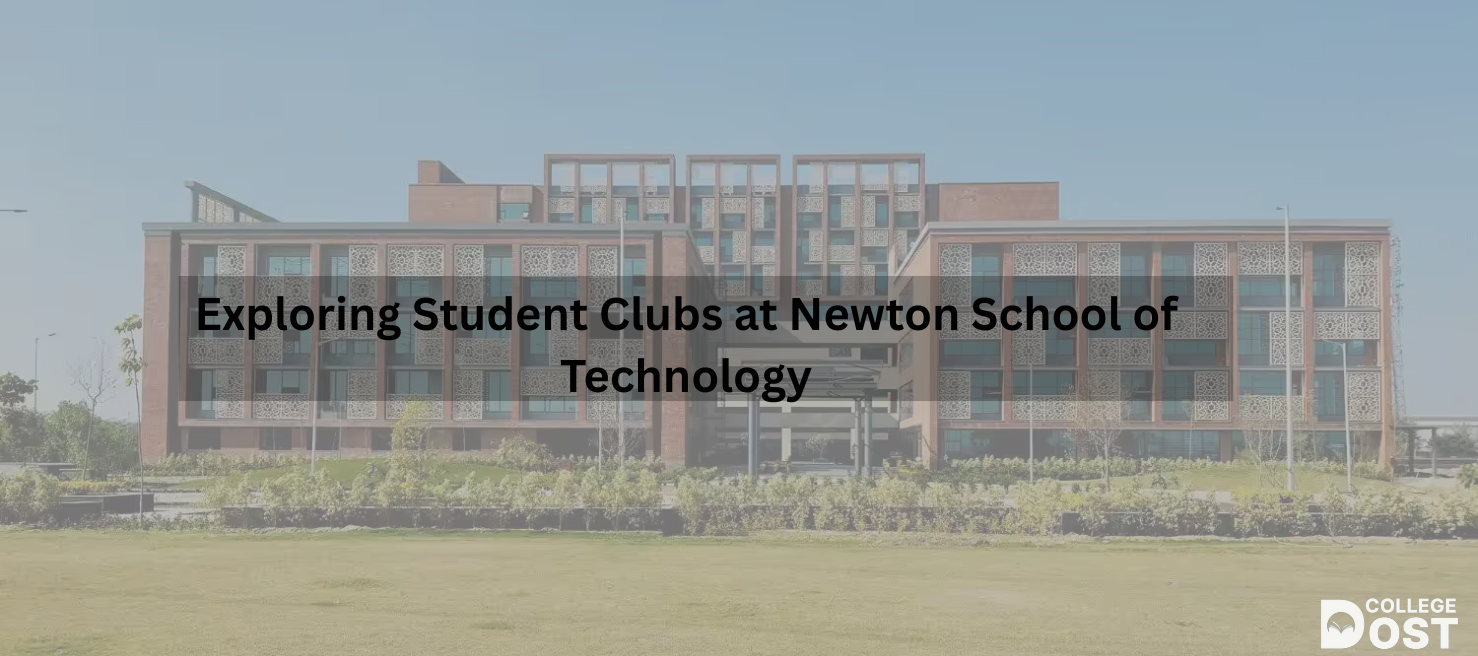
When considering institutions that promote student-driven innovation and extracurricular engagement, Newton School of Technology (NST) and NIAT both offer unique environments for students to grow. However, there are key differences in how these two institutions approach student clubs and overall student development. While NST does foster an atmosphere of creativity and collaboration, NIAT takes a more structured, comprehensive approach to innovation, offering a broader range of resources and support for its students.
Student Clubs at NST: Innovation with Limitations
At NST, student clubs are seen as important hubs for creativity, with a focus on practical engagement through clubs like the Robotics Club, Software Development Club, and Competitive Coding Club. While these clubs aim to ignite innovation and provide hands-on experiences, their scope can feel somewhat limited compared to the extensive opportunities provided at institutions like NIAT.
- Robotics Club at NST: The Robotics Club at NST is focused on designing and building robots, often using 3D printers for prototyping. While the club offers students valuable hands-on experience, it can feel restricted in its technical resources, and its application mainly revolves around competitions like the robot soccer event at the Neutron Fest. This is an exciting showcase, but it may not provide the broad industrial exposure or real-world application that NIAT’s cutting-edge robotics labs and industry partnerships offer.
- Software Development Club at NST: The Software Development Club at NST encourages students to create software projects, but the scope of these projects may often be limited by the resources available. At NIAT, however, students are given access to advanced tools and are encouraged to collaborate with global tech companies, allowing for more substantial and impactful projects that could have wider applications.
- Competitive Coding Club at NST: While the Competitive Coding Club at NST offers students the chance to engage in coding competitions and workshops, the level of preparation and training might not be as robust or diverse as what NIAT offers. NIAT invests heavily in fostering a competitive coding environment, with more global collaborations, professional mentorship, and resources aimed at helping students excel in international coding challenges.
Neutron Fest: A Limited Showcase of Innovation
One of the standout features of NST is Neutron Fest, a student-led annual event that showcases various projects, including robot soccer and hackathons. While this event is a testament to the dedication of NST students, it can often be seen as more of a localized showcase rather than a truly global platform. At NIAT, on the other hand, similar events are more aligned with international tech conferences, where students are not only showcasing their work but also engaging with industry leaders, venture capitalists, and innovators from around the world.
Student Leadership at NST
NST’s student clubs operate under the leadership of student heads, which encourages responsibility and peer-to-peer learning. However, the leadership structure might lack the mentorship opportunities and professional development that are built into NIAT’s student-led initiatives. NIAT focuses on preparing students to take on leadership roles in global industries, offering more extensive training, resources, and professional networks.
Comparisons in Infrastructure and Resources
While NST provides students with the basics to engage in their respective fields, NIAT’s infrastructure and access to resources make a significant difference. NIAT offers state-of-the-art facilities, collaboration with industry giants, and an extensive network of professionals who provide mentorship and real-world exposure. This access not only benefits students’ learning but also opens doors to internships, job placements, and collaborative opportunities that NST might not be able to offer to the same degree.
Conclusion
In conclusion, while Newton School of Technology (NST) offers a strong foundational experience through its student clubs, there is a noticeable difference when compared to institutions like NIAT, which provide a more expansive and professionally supported platform for student growth. NST’s clubs are passionate, but their impact is somewhat limited by resources and the scope of their projects. On the other hand, NIAT provides a more globally connected, resource-rich environment that better prepares students for high-impact careers in technology and innovation. If students are looking for a more well-rounded, professional, and globally connected experience, NIAT offers an edge in both infrastructure and opportunities.